Our Flagship Project
Enhancing Water Security and Distribution in Kabale District.
A 6-month, community-led project to install 5,000-litre water storage tanks across underserved sub-counties of Kabale District, Uganda. Aligned with SDG 6 — Clean Water and Sanitation.
Project Overview
Reliable water, closer to home.
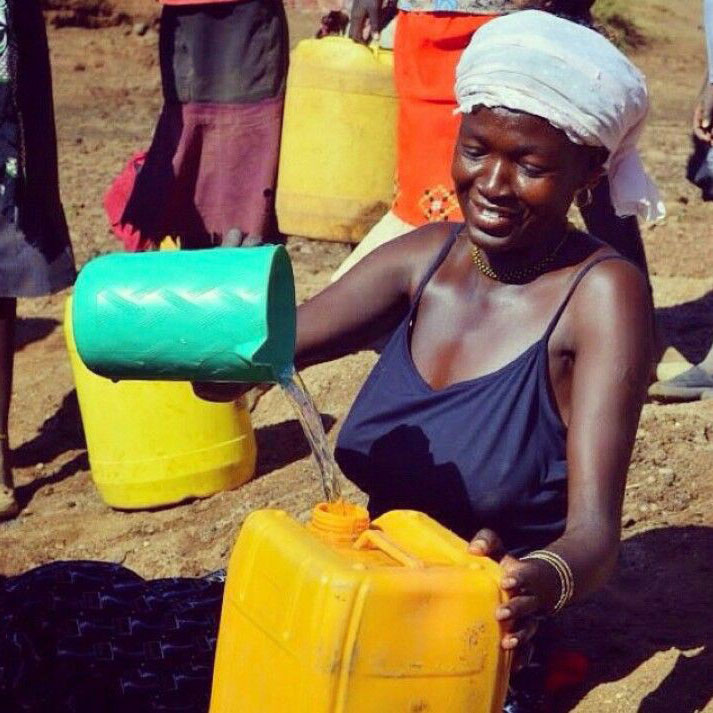
Thistlewell Fountain is a water distribution project designed to address the critical water access challenges faced by communities in Kabale District, Uganda. By installing 5,000-litre water storage tanks across underserved areas — in churches, schools and sub-county offices — we aim to provide reliable, safe and accessible water to improve health, education and economic outcomes.
Even where streams flow, water volumes have fallen due to poor farming practices and weak maintenance. This project projects a reduction in waterborne diseases of 30–40%, saves an estimated 7,600 hours of water collection time per week and increases daily water availability from an estimated 10–15 Lpcd towards the WHO minimum of 50 Lpcd.
Project at a glance
- Location
- Kabale District, Uganda
- Duration
- 6 months
- Approach
- Community-led water storage tanks
- SDG Alignment
- SDG 6 — Clean Water & Sanitation
- Primary Beneficiaries
- Local communities in Kabale District

The Challenge
The unseen burden of water insecurity.
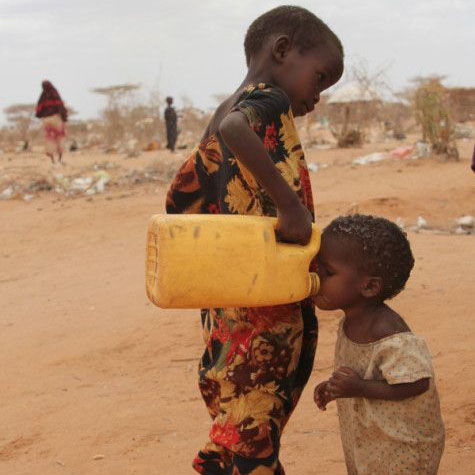
The current water deficit imposes a profound burden on nearly 10,000 individuals in Kabale and neighbouring institutions — from health and productivity to safety and education.
Water Scarcity
40.5% of Kigezi households lack access to improved drinking water sources.
Long Walking Distances
25.5% of households spend 30+ minutes on each round trip to collect water.
Non-Functional Points
Over 650 water points in Kabale remain non-functional; hundreds abandoned for 5+ years.
Health Risks
Diarrhoeal disease, cholera and typhoid are 2–3× more common where water is unsafe.
Burden on Women & Girls
Women and adolescent girls carry the water — losing time, safety and schooling.
Education Impact
Long collection times drive absenteeism and school drop-outs, especially for girls.
Economic Burden
Urban households can spend up to 22% of their income buying water from vendors.
Sanitation Strain
Inconsistent supply undermines handwashing, hygiene and sanitation facilities.
Project Objectives
What this project aims to deliver.
Presented as planned outcomes over the 6-month project period and the year that follows.
Install Community Water Tanks
Install robust 5,000-litre water storage tanks in high-need sub-counties including Butanda, Rubaya and Kyanamira.
Expand Safe Water Access
Increase access to safe water for thousands of additional residents by placing tanks in churches, schools and sub-county offices.
Community Training
Empower local water committees with training on tank maintenance and water source management.
Achieve Water Security
Provide a reserve buffer of 3–5 days of water for beneficiary communities.
Hygiene & Sanitation Promotion
Deliver practical hygiene education that turns clean water into healthier daily life.
Improve Health Outcomes
Contribute to a projected 30–40% reduction in reported waterborne disease cases in beneficiary communities.
Increase School Attendance
Free up an estimated 7,600 hours per week previously spent collecting water, supporting learning.
Sustainable Water Management
Align with Uganda's Operation and Maintenance Policy for long-term functionality.
How We Work
Five phases, one community-led process.
From planning to long-term monitoring, every phase places the community at the centre.
- 1
Planning
Establish a clear implementation framework, secure approvals and finalise designs.
- 2
Community Engagement
Consult local leaders, women's groups and youth to co-select tank sites and confirm agreements.
- 3
Construction
Prepare s, install 5,000-litre tanks, connect distribution taps and quality-test the system.
- 4
Capacity Building
Train community water committees and hygiene promoters; distribute toolkits and spare parts.
- 5
Monitoring & Evaluation
Track functionality, water use and health outcomes with baseline and follow-up surveys.
Sustainability
Built to last — owned by the community.
- Community ownership. Every tank is handed to a trained local water committee.
- Water management committees. 5–7 members per site, with at least 50% women representation.
- Training. Practical training on tank maintenance, hygiene and source protection.
- Maintenance plans. Toolkits, spare parts and clear repair pathways at handover.
- Partnerships. Working with local authorities, faith groups and schools.
- Financial sustainability. Aligned with Uganda's Operation and Maintenance Policy.
- Climate resilience. Storage buffers protect households against seasonal shortages.